

合金钢棒材
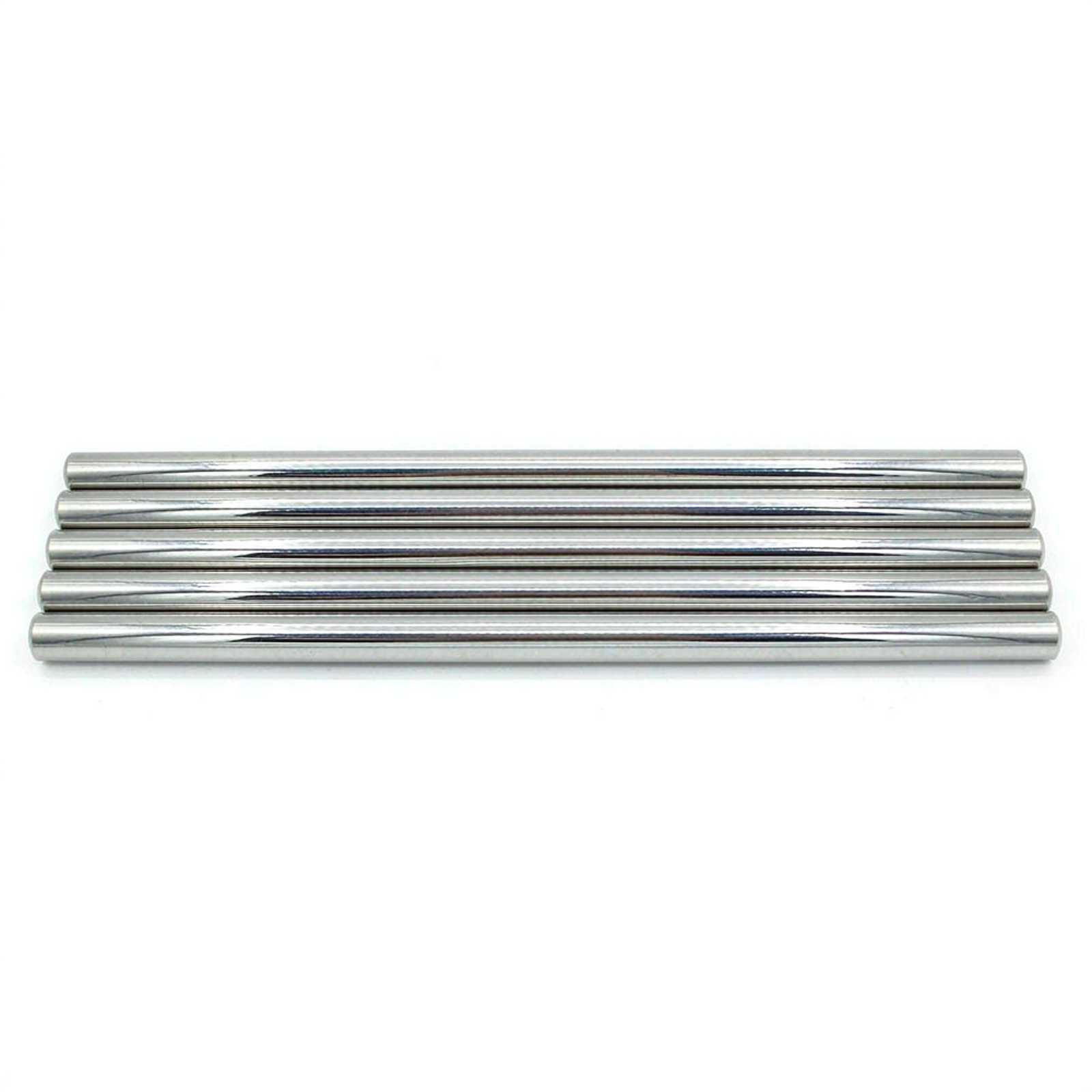
产品描述
Q1: What is Monel 401 and what makes it different from Monel 400? Monel 401 (UNS N04401) is a nickel-copper alloy with intentionally higher copper content (~55% Cu vs ~32% in 400) and lower nickel (~43% vs ≥63%). This chemistry is engineered to give a very low temperature coefficient of electrical resistance (~20 ppm/°C) and essentially non-magnetic behaviour — the opposite priority to Monel 400, which is optimised for chemical/marine corrosion resistance. For precision resistors, choose 401; for chemical tanks or seawater piping, choose 400.
尺寸范围
- Rod Diameter 6–250 mm (Ø)
- Strip / Foil Thickness 0.05–3 mm (typical stocked form)
- Wire Diameter 0.1–8 mm
- Condition (Rod/Bar) Annealed, Cold-Worked (to 120 ksi max)
牌号标准
| 标准体系 | 数值 |
|---|---|
| UNS | N04401 |
| EN / Werkstoff Nr. | 1.7471 / NiCu30Fe (DIN 17471) |
| BS / AFNOR / JIS | NA 13 / NU-30M / NW 4401 |
化学成分
| 元素 | 数值 |
|---|---|
| Nickel (Ni, incl. Co) | 40.0 – 45.0 |
| Cobalt (Co) | ≤ 0.25 |
| Copper (Cu) | Remainder (balance) |
| Iron (Fe) | ≤ 0.75 |
| Manganese (Mn) | ≤ 2.25 |
| Silicon (Si) | ≤ 0.25 |
| Carbon (C) | ≤ 0.10 |
| Sulfur (S) | ≤ 0.015 |
机械性能
| 性能 | 数值 |
|---|---|
| Tensile Strength | 441 – 552 MPa (64 – 80 ksi) |
| Yield Strength (0.2% offset) | 134 – 276 MPa (19.5 – 40 ksi) |
| Elongation | ≥ 45% (51% typical) |
| Hardness | HRB 60 – 75 (≈ 110 – 150 HB) |
物理性能
| 性能 | 单位 | 数值 |
|---|---|---|
| Density | - | 8.88 – 8.91 g/cm³ (0.321 lb/in³) |
| Melting Point | - | ≈ 1280 °C (2335 °F) |
| Thermal Conductivity (21 °C) | - | 21.0 W/(m·K) (13.3 BTU·in/hr·ft²·°F) |
| Electrical Resistivity (21 °C) | - | 0.498 µΩ·m (≈ 294 ohm·circ-mil/ft) |
| Temperature Coefficient of Resistance | - | ≈ 20 ppm/°C (very low — key property) |
| Specific Heat Capacity | - | 414 J/(kg·K) |
| CTE (20 – 100 °C) | - | 13.6 × 10⁻⁶ /K (7.6 × 10⁻⁶ /°F) |
| CTE (20 – 260 °C) | - | 14.4 × 10⁻⁶ /K (8.5 × 10⁻⁶ /°F) |
| CTE (20 – 540 °C) | - | 15.5 × 10⁻⁶ /K (9.2 × 10⁻⁶ /°F) |
| Elastic Modulus (tension) | - | 179 GPa (26 × 10³ ksi) |
| Magnetic Permeability | - | ≈ 1.01 (essentially non-magnetic at room temperature) |
| Curie Temperature | - | Near room temperature (slightly magnetic below ~20 °C) |
应用场景
- Electrical / Electronic:Precision wire-wound resistors (high-stability);Bimetallic contacts and thermostatic devices;Resistance heating elements (low-TCR applications);Shunt resistors, precision instrumentation
- Telecommunications:Loading coils, attenuators
- Instrumentation: Sensor lead wires, magnetic-shielded components
- Marine (limited):Specialty components needing low magnetism + seawater resistance
- Chemical (limited):Small-diameter tubing for reducing-acid service